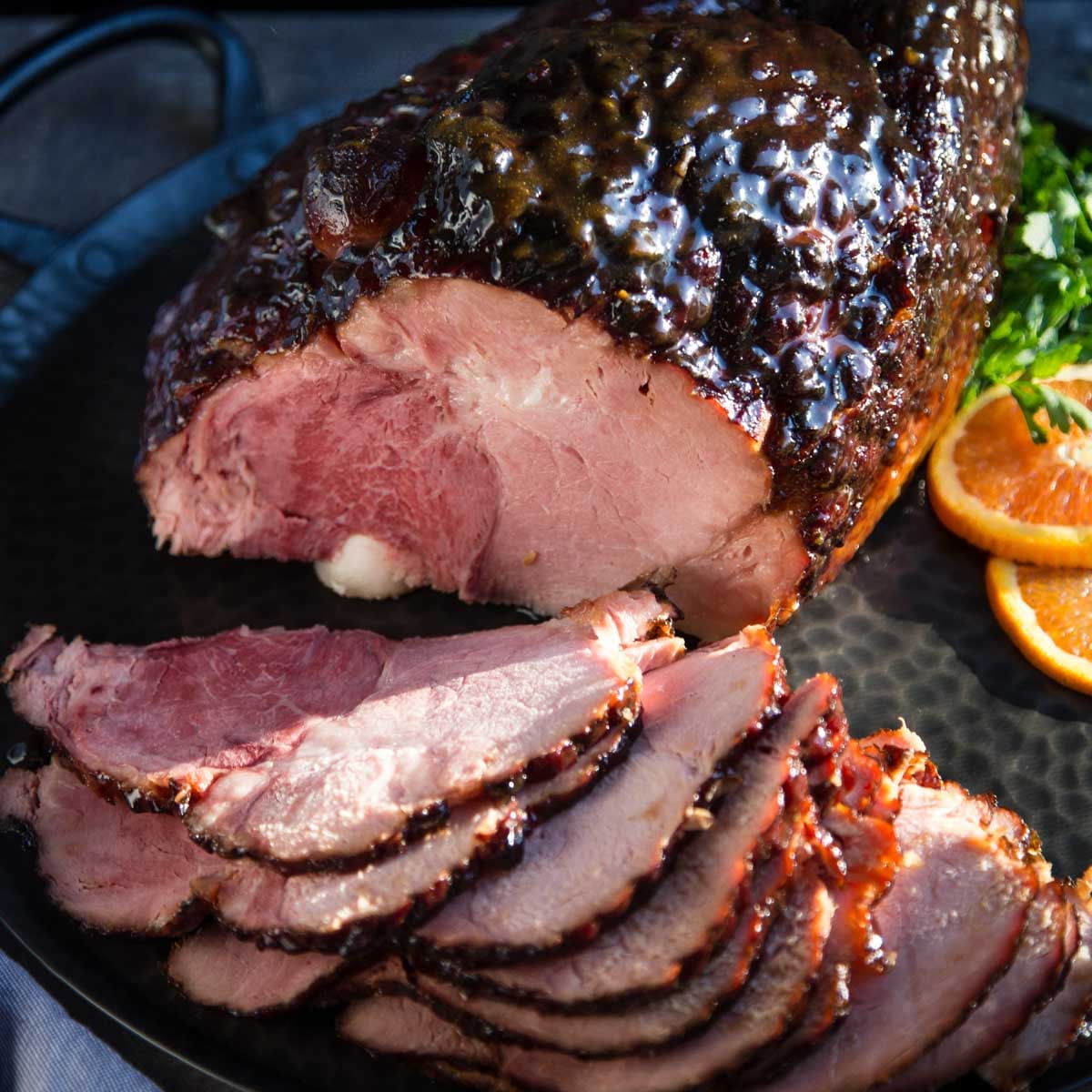
The Secret to Tender Smoked Ham: Maple Brown Sugar Glaze & Basting
There are holiday meals, and then there are *unforgettable* holiday meals. When it comes to centerpiece roasts, few things capture the festive spirit quite like a beautifully cooked ham. But if you're looking to elevate your ham from good to genuinely legendary, the secret lies not just in the cooking method, but in a dynamic duo of flavor and moisture: a luxurious smoked ham with brown sugar glaze, expertly combined with strategic basting. Forget dry, bland ham; we're talking about a succulent, smoky masterpiece with a caramelized crust that will have everyone asking for your recipe.
For many, the holidays mean a packed oven and a frantic juggling act of dishes. This is where the magic of a Smoked Ham Recipe: Oven-Free Brown Sugar Glaze for Holiday Feasts truly shines. By moving your star attraction to the smoker, you free up precious oven space for sides, rolls, and desserts, all while infusing your ham with an unparalleled depth of flavor that conventional baking simply can't achieve. This comprehensive guide will walk you through the process, ensuring your smoked ham becomes the star of any celebration, be it Christmas, Easter, or just a delightful family gathering.
Why Choose Smoked Ham for Your Next Feast?
Beyond the logistical advantage of an empty oven, smoking a ham offers a distinct flavor profile that is truly in a league of its own. Unlike a baked ham, which relies primarily on internal heat, smoking introduces a complex array of aromatic compounds from the wood smoke, permeating the meat with a savory, sometimes sweet, and undeniably irresistible character. This isn't just about cooking; it's about infusing. The slow cooking process also tenderizes the ham beautifully, allowing connective tissues to break down, resulting in a melt-in-your-mouth texture.
Furthermore, a homemade spice rub and a luscious glaze are not just afterthoughts; they are integral components of this culinary alchemy. The rub forms a foundational layer of savory goodness, creating an initial "bark" on the ham's exterior. The Mastering Smoked Ham: Juicy Glaze & Prep Tips for Perfect Results article details more on the preparation, but it's the interplay between the smoky exterior and the sweet, tangy, and subtly spiced brown sugar glaze that transforms a simple ham into a memorable feast. It’s a dish that looks as impressive as it tastes, making it perfect for novice holiday cooks and seasoned pitmasters alike.
Crafting the Perfect Foundation: Your Ham & Homemade Rub
The journey to an incredible smoked ham begins with the right ingredients and preparation. While convenience often dictates store-bought solutions, taking a few extra minutes for a homemade touch can make all the difference.
Selecting Your Ham
Most recipes for smoked ham, especially for holidays, call for a pre-cooked ham. This is a crucial distinction. A pre-cooked ham means you're primarily heating it through and adding flavor, not cooking it from raw. This significantly reduces the cook time and complexity. A spiral-cut, bone-in ham weighing around 7 pounds is often ideal, as the bone adds flavor and the spiral cuts allow for better glaze penetration. You can, however, adapt this recipe for boneless ham or larger cuts by adjusting cooking times.
- Bone-in vs. Boneless: Bone-in hams generally offer more flavor and moisture retention, though boneless hams are easier to carve.
- Spiral-Cut: Excellent for absorbing flavors and even glaze distribution.
- Weight: Adjust cook time for larger or smaller hams. A general rule for pre-cooked ham is about 15-20 minutes per pound at 250°F (120°C).
The Essential Spice Rub
While store-bought BBQ rubs can work in a pinch, a homemade rub gives you complete control over the flavor profile. For a ham, you want a balance of sweet, savory, and a hint of spice. A classic combination might include brown sugar, paprika, garlic powder, onion powder, black pepper, and a touch of cayenne or chili powder for warmth. This rub creates a savory crust that complements the eventual sweetness of the glaze. You can apply the rub immediately before smoking, but for a deeper flavor penetration, consider seasoning the ham the night before, allowing the spices to meld into the meat. When applying, ensure the ham is evenly coated, especially around the cut surfaces of a spiral ham.
The Smoking Process: Basting Your Way to Juiciness
The smoker is where the magic truly happens, transforming a simple ham into a smoky, tender delicacy. Setting up your smoker correctly is key to a successful cook.
Smoker Setup and Initial Smoke
Start by loading your smoker with your preferred wood chips or chunks. Fruitwoods like apple or cherry are excellent choices for ham, imparting a mild, sweet smoke that harmonizes beautifully with the brown sugar glaze. Pecan also works well, offering a slightly richer flavor. Preheat your smoker to a consistent 250°F (120°C). While it preheats, lightly spray a disposable aluminum pan with cooking spray. This pan serves multiple purposes: it catches drippings for easy cleanup, helps retain moisture, and allows for effective basting. Place your rubbed ham cut-side down in the pan – this position helps prevent the exposed lean meat from drying out.
The Art of Basting: Your Secret Weapon for Tenderness
The first hour of smoking is crucial for allowing the smoke to adhere to the ham and begin forming that delicious bark. After this initial period, it's time to introduce your secret weapon for unparalleled juiciness: basting with apple cider. Unlike basting with the glaze, which comes later, apple cider provides a burst of moisture and a subtle tang that keeps the ham from drying out during its long smoke.
Begin basting every 30-45 minutes. Simply open the smoker, quickly brush or pour apple cider over the ham, and close it again to minimize heat loss. If at any point your ham appears to be drying out too quickly, or if the exterior is browning faster than you'd like, you can loosely tent it with aluminum foil within the smoker. This creates a steamy environment that helps lock in moisture while still allowing smoke to penetrate.
The Grand Finale: Maple Brown Sugar Glaze Application
The final act of this culinary symphony is the application of the rich, sticky maple brown sugar glaze. This is what gives the smoked ham with brown sugar glaze its iconic sweet-and-savory crust.
Timing is Everything: When to Glaze
Keep a close eye on your ham's internal temperature. Once it reaches around 135°F (57°C), it's time to prepare the glaze. You don't want to apply the glaze too early, as the sugars can burn over a long smoking period. This temperature signals that the ham is nearly done and ready for its sweet coating.
Crafting the Glaze
In a small saucepan, combine unsalted butter, dark brown sugar, pure maple syrup, and a splash of apple cider (the same one you used for basting, not apple cider vinegar). Cook this mixture over medium heat on your stovetop, stirring constantly, for a few minutes until the butter is melted, the sugar is dissolved, and the glaze has thickened slightly to a syrupy consistency. It should be thick enough to coat the back of a spoon. This combination creates a perfect balance of sweetness and depth that complements the smoky ham beautifully.
Applying the Glaze for a Perfect Finish
Once your ham reaches 135°F (57°C) and the glaze is ready, carefully remove the ham from the smoker. Using a pastry brush, generously coat the entire surface of the ham with the warm maple brown sugar glaze. Don't be shy – aim for an even, luxurious layer. Return the glazed ham to the smoker for its final stretch. The heat will caramelize the sugars in the glaze, creating that irresistible glossy, slightly crispy exterior. Continue smoking until the internal temperature of the thickest part of the ham reaches 140°F (60°C). This final temperature is crucial for food safety, especially for pre-cooked hams.
Tips for Smoked Ham Success
- Meat Thermometer is Non-Negotiable: Always use a reliable meat thermometer to monitor the internal temperature. This is the only way to ensure your ham is perfectly cooked and safe to eat.
- Rest Your Ham: Once your ham hits 140°F (60°C), remove it from the smoker, tent it loosely with foil, and let it rest for 15-20 minutes before carving. This allows the juices to redistribute throughout the meat, resulting in a significantly more tender and moist ham.
- Garnish for Presentation: A beautifully cooked ham deserves an equally beautiful presentation. Arrange fresh herbs like rosemary or thyme around the base of the ham, and scatter fresh fruit such as grapes, orange slices, or cranberries on the platter. This adds vibrant color and a festive touch.
- Make Ahead: The spice rub and even the glaze can be prepared a day or two in advance. Store the rub in an airtight container and the glaze in the refrigerator, reheating it gently before application.
- Leftovers: Any leftover smoked ham is incredibly versatile. It makes fantastic sandwiches, additions to breakfast scrambles, or can be diced for soups and casseroles.
Mastering a smoked ham with brown sugar glaze is a culinary journey that rewards patience and attention to detail with an extraordinary result. From the careful selection of your ham and the aromatic spice rub to the diligent basting and the final, glorious glaze, each step contributes to a symphony of flavors and textures. This oven-free method not only solves holiday kitchen dilemmas but also delivers a show-stopping centerpiece that will earn you rave reviews and become a cherished family tradition for years to come. Enjoy the process, and savor every tender, smoky, sweet bite!
